

As our lives become increasingly saturated with technology, a counter-movement has emerged: “Quiet Tech.” In 2026, consumers are pushing back against notification fatigue and intrusive hardware. The trend is now toward devices that promote mental clarity, focus, and a minimalist aesthetic.
Designing for Focus
Quiet Tech is characterized by “calm interfaces.” Instead of bright, flashing LEDs and constant pings, these devices use haptic feedback, soft lighting, or e-ink displays that blend into the background. The goal is to provide information only when it’s needed, reducing the cognitive load on the user and helping them stay present in the physical world.

Minimalist Hardware and Natural Materials
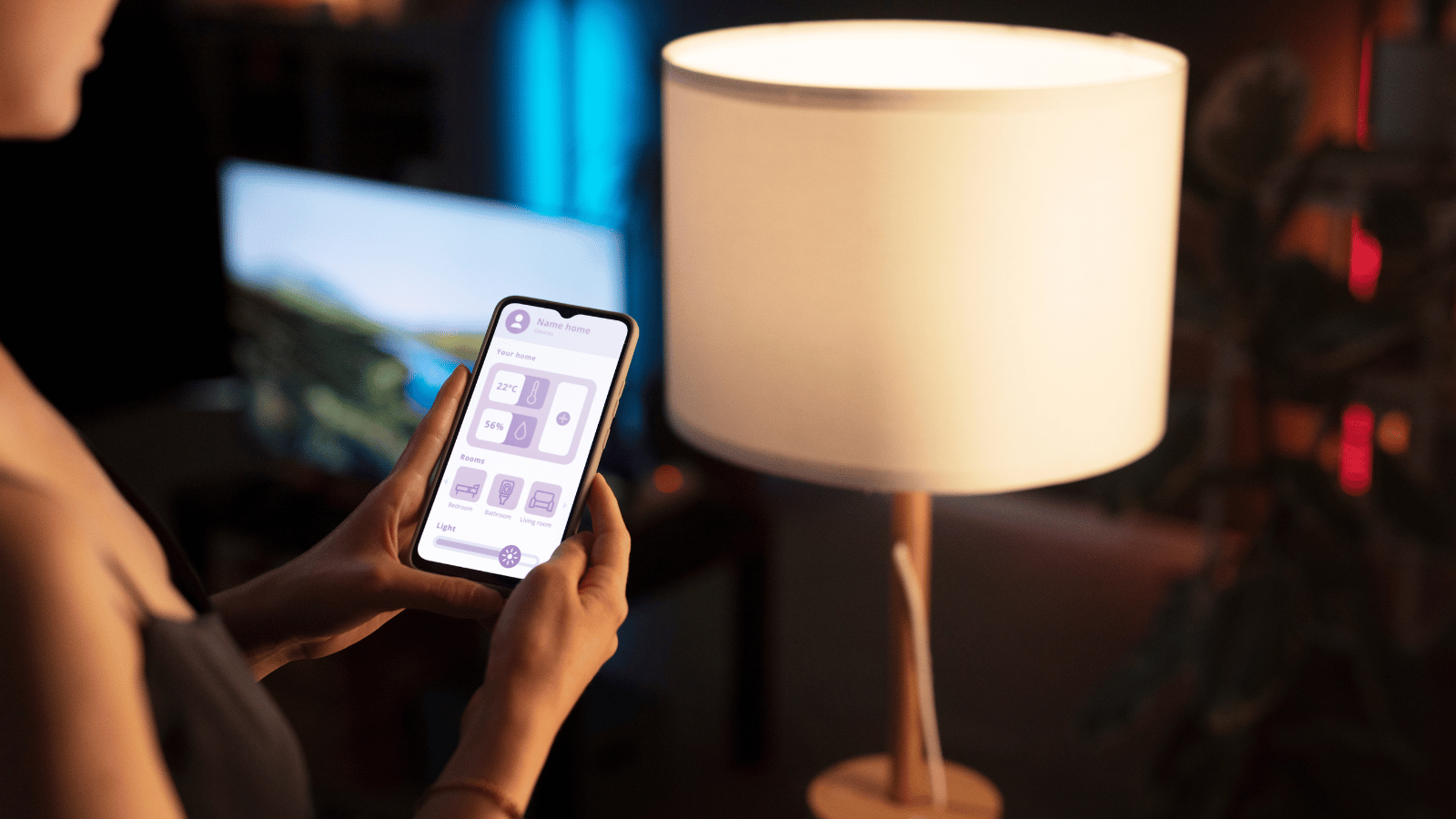
The aesthetic of technology is also changing. We are seeing a move away from cold plastics and metals toward natural materials like wood, fabric, and stone. Technology is being designed to look like furniture or art, ensuring that it complements the home rather than dominating it. This “hidden tech” approach allows for a high-functioning home that still feels like a sanctuary.
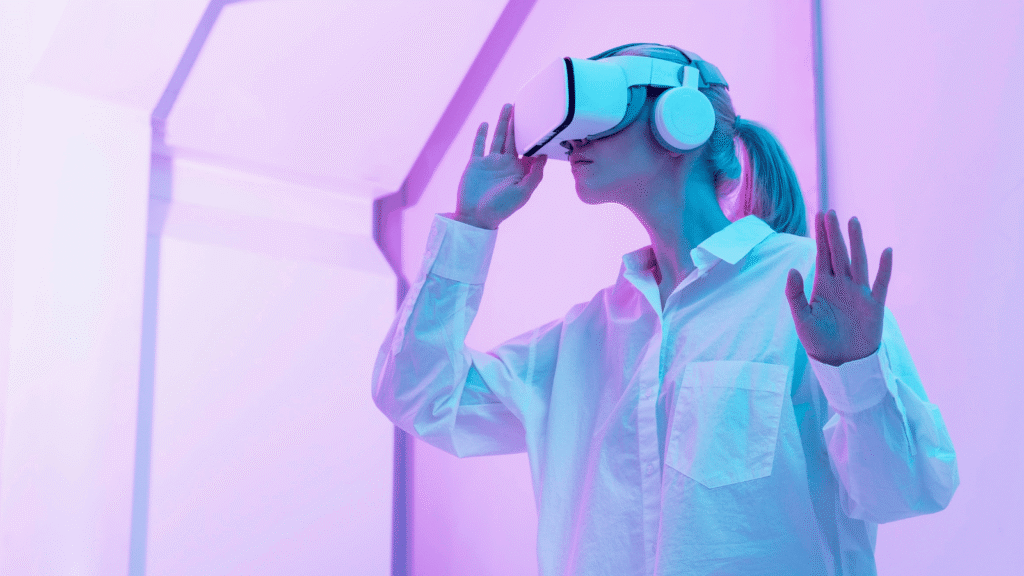
Tech for Mental Health
Beyond just being “quiet,” new devices are actively supporting mental well-being. From smart lighting that perfectly mimics the natural progression of sunlight to aid sleep cycles, to wearable devices that use biofeedback to help users manage stress through breathing exercises, technology is being reframed as a tool for health rather than a source of distraction. In 2026, the most advanced piece of tech is the one that knows when to stay out of the way.
Text author: Ana Markunović


Recent Comments