

Upgrading a TV is often driven by temptation. Bigger screens, sharper resolution and new features promise a better experience. But not every upgrade delivers real value. In 2026, the question is no longer whether a new TV is better on paper, but whether it meaningfully improves everyday viewing.
A TV upgrade is worth it when it changes how content feels, not just how it looks in the showroom.
Screen Size That Matches The Space
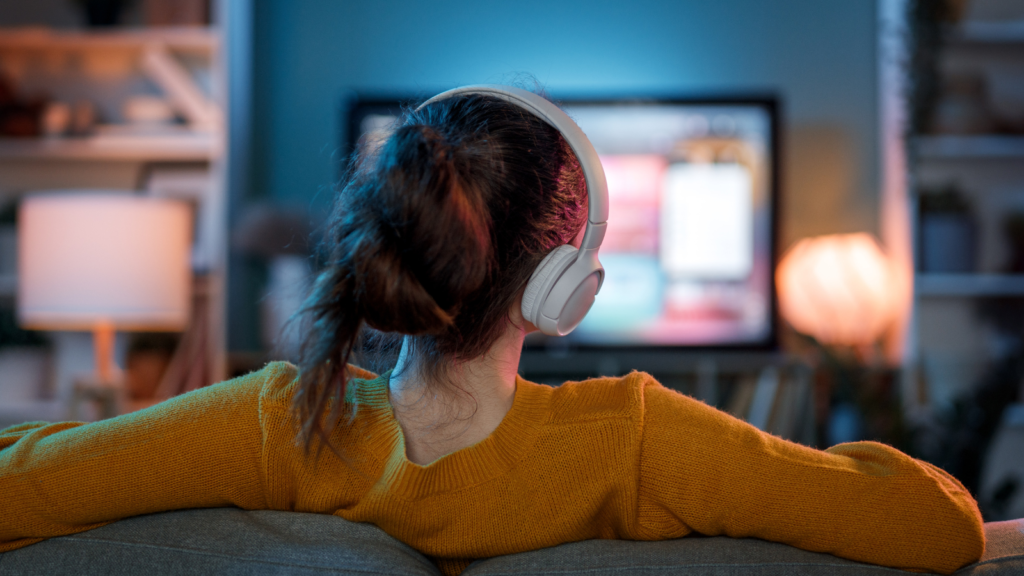
One of the most common upgrade mistakes is choosing a screen that does not fit the room. A larger display can enhance immersion, but only when viewing distance and room layout support it.
In smaller living rooms, a modest size increase may deliver the best balance between comfort and clarity. In larger spaces, upgrading to a bigger screen can transform the experience, especially for films and sports.
The right size is not about maximum inches. It is about proportion and positioning.
Brightness And Picture Quality In Real Conditions
Resolution alone does not define quality. Many households already use 4K TVs, and for most content, resolution differences are subtle. What makes a visible difference is brightness, contrast and colour performance in real viewing conditions.
If a room has a lot of natural light, higher brightness and better glare handling significantly improve clarity. In darker environments, deeper contrast and improved black levels create a more cinematic feel.
An upgrade becomes worthwhile when picture quality improves noticeably in everyday lighting, not just in ideal demo settings.
Sound That Matches The Image
Modern TVs often focus heavily on picture performance, while built-in speakers remain limited. A meaningful upgrade may not always be the TV panel itself, but the audio experience that accompanies it.
Adding a soundbar or upgrading to a model with improved audio integration can transform how immersive content feels. Clear dialogue, balanced sound and depth add impact to films and live events.
When sound and image work together, the difference is immediate and lasting.
Smart Platform And Speed
As streaming becomes central to home entertainment, performance matters. Slow menus, delayed app launches and outdated interfaces quickly reduce satisfaction.
A TV upgrade is worth considering when it brings faster navigation, broader app compatibility and smoother integration with streaming services. Responsiveness often influences daily enjoyment more than resolution improvements.
Technology that feels quick and intuitive creates a more seamless experience.
Connectivity And Future Compatibility
Modern TVs are central hubs for multiple devices, from gaming consoles to streaming boxes and sound systems. An upgrade may be justified when current connectivity limits performance.
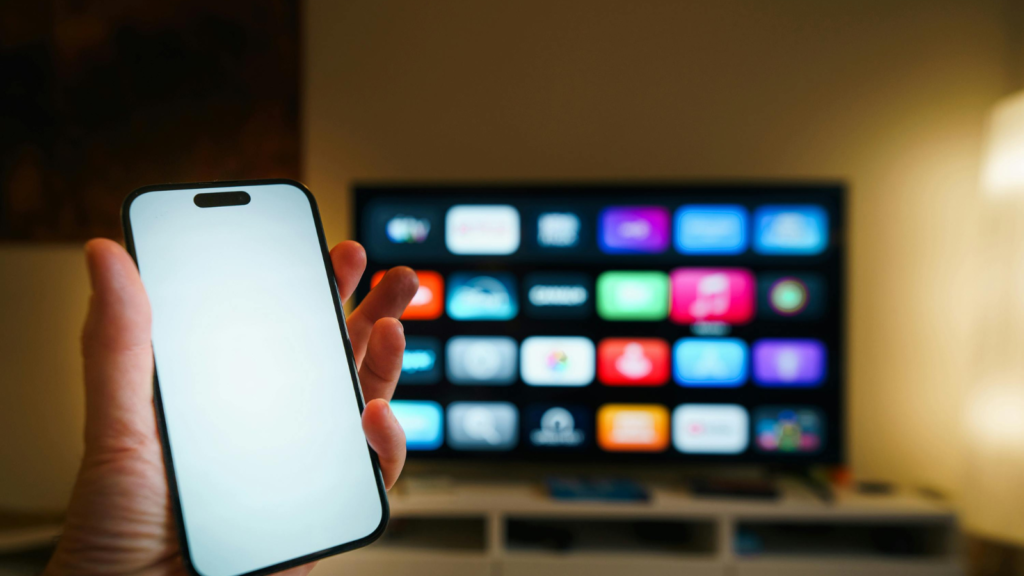
Improved HDMI standards, better wireless connectivity and smoother ecosystem integration allow devices to work together without friction.
Future compatibility also matters. A TV that supports evolving standards remains relevant for longer, increasing its overall value.
When An Upgrade Truly Makes Sense
A TV upgrade is worthwhile when it solves a real limitation. That might be insufficient brightness, outdated connectivity or a size mismatch for the room. It might also be a desire for a more immersive home cinema experience.
Upgrading simply because a new model exists rarely delivers lasting satisfaction. Upgrading because the current setup restricts enjoyment is a different story.
In 2026, meaningful upgrades are intentional. They focus on improving daily experience rather than chasing specifications.
The best TV upgrade is not the most advanced one. It is the one that noticeably enhances how you watch, listen and enjoy your time at home.
Text author: Ana Markunović


Recent Comments