

When choosing a laptop, performance is usually the main focus. Processor, RAM and storage are often presented as the key indicators of speed. However, in everyday use, the feeling of speed is not determined by specifications alone.
Many users experience laptops that look powerful on paper but feel slow in practice, while others with more modest specs perform surprisingly well. The difference lies in how performance translates into real-world use.
Speed Is About Responsiveness, Not Just Power
In daily scenarios, speed is experienced through responsiveness. How quickly a laptop wakes up, opens applications, switches between tasks or responds to input.
A device with high specifications can still feel slow if these actions are not smooth. At the same time, a well-optimised system with balanced components can feel fast even without top-tier hardware.
This is why everyday performance is often more about optimisation than raw power.
Storage Makes A Bigger Difference Than Expected
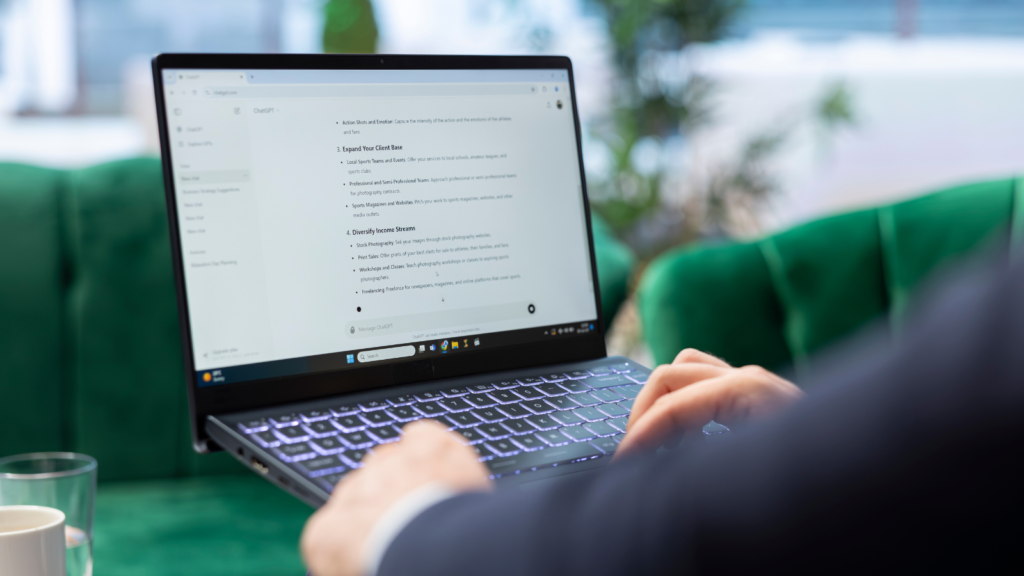
One of the most noticeable factors in perceived speed is storage. Devices with faster SSD storage feel significantly more responsive than those with older or slower drives.
Opening files, launching applications and even booting the system all depend heavily on storage performance. This is often more impactful in daily use than processor upgrades.
RAM And Real Usage Patterns
RAM determines how many tasks a laptop can handle at once without slowing down. For users who keep multiple tabs open, switch between applications or work with larger files, sufficient RAM makes a clear difference.
However, more is not always better. The key is matching the configuration to actual usage.
Understanding how the laptop will be used is more important than choosing the highest number.
Software And Background Processes
Performance is also influenced by software. Too many background applications, outdated systems or unnecessary programs can slow down even powerful laptops.
Regular updates and simple system management can improve performance without any hardware changes.
A More Practical Way To Choose
The fastest laptop is not necessarily the one with the highest specifications. It is the one that feels smooth and responsive in everyday tasks.
Focusing on how the device will be used leads to better decisions than comparing numbers alone.
Text author: Ana Markunović



Recent Comments