

The technology industry thrives on predictions. Every year, experts, analysts and manufacturers try to identify the products and innovations that will define the future. Some forecasts prove remarkably accurate, while others fade away almost unnoticed.
What is often overlooked, however, is that many of the technologies that end up having the biggest impact on everyday life are not necessarily the ones receiving the most attention at launch.
In fact, some of the most influential technology trends of the past decade began quietly. They were not presented as revolutionary breakthroughs and they rarely dominated headlines. Yet over time, they fundamentally changed the way people live, communicate and interact with technology.
Small Innovations Often Have The Biggest Impact
When people think about technological progress, they often imagine major inventions and dramatic breakthroughs. However, many of the products that changed consumer behaviour the most were relatively simple.
Take wireless earbuds as an example. When they first appeared, many people questioned whether removing a cable could really make a significant difference. Today, wireless audio has become the standard for millions of consumers.
The same can be said for streaming devices. Their purpose seemed straightforward: provide easier access to digital content. Yet they completely transformed how people consume entertainment, shifting viewing habits away from traditional schedules and toward on-demand experiences.
These examples highlight an important lesson: innovations do not need to be complex to be transformative.
Consumer Behaviour Determines Success
One of the reasons technology forecasting is so difficult is that success depends on people, not just products.
Many innovations fail not because the technology is poor, but because they require consumers to dramatically change their behaviour. Products that fit naturally into existing habits often achieve greater success than products that demand entirely new routines.
This is why convenience repeatedly emerges as one of the strongest drivers of adoption.
Consumers rarely wake up wanting new technology. They want solutions that make existing activities easier, faster or more enjoyable.

Convenience Often Beats Novelty
Throughout technology history, convenience has consistently outperformed novelty.
Consumers may be attracted by innovation, but they stay because of usability.
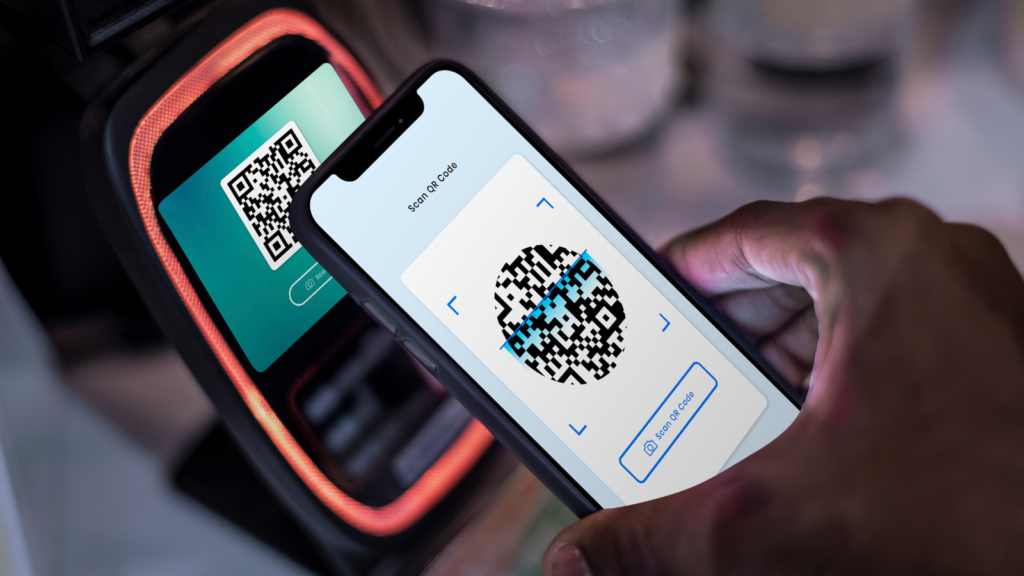
Contactless payments are a good example. The technology behind them was not necessarily revolutionary. What mattered was the experience. Paying became faster and more effortless, which encouraged widespread adoption.
Similarly, streaming services succeeded not because consumers were looking for new technology, but because they offered easier access to content.
The lesson is clear: people remember technologies that improve everyday experiences.
Predictions Focus On Devices, Not Behaviour
Many forecasts fail because they focus primarily on products and specifications.
In reality, understanding consumer behaviour often provides a more accurate picture of the future. The technologies that succeed are usually those that align with how people already live.
This is why some heavily promoted innovations struggle to gain traction while seemingly simple products become indispensable.
The future of technology is often less about what devices can do and more about how naturally they fit into daily life.

Looking Ahead
As technology continues to evolve, unexpected successes will continue to emerge.
Some of the products that will shape the next decade are likely already available today, quietly improving everyday experiences without attracting significant attention.
History suggests that the most important trends are not always the loudest ones.
Sometimes the technologies that change our lives the most are the ones we barely notice at first.
Text author: Ana Markunović


Recent Comments