

When people hear the word innovation, they often think about breakthrough inventions, futuristic concepts or technologies that completely transform the way we live. Product launches are frequently presented as major milestones, promising revolutionary changes and entirely new possibilities.
Yet the innovations that have the greatest impact on everyday life are often much quieter.
Instead of introducing entirely new ways of doing things, they improve existing experiences. They remove small frustrations, simplify familiar tasks and make products more intuitive to use. These improvements rarely dominate headlines, but over time they shape how consumers interact with technology in meaningful ways.
In many cases, the most successful innovations are the ones people stop noticing because they become part of everyday life.
Innovation Is Not Always About Reinvention
The consumer electronics industry thrives on continuous development. Every year brings new models, updated designs and enhanced features. However, meaningful innovation does not always require a completely new product category.
Sometimes progress comes from refining what already exists.
A television with improved picture processing may not look dramatically different from its predecessor, but it creates a noticeably better viewing experience. A washing machine that uses less water while maintaining performance offers practical value every time it is used. A refrigerator with better food preservation helps reduce waste without changing the way people interact with it.
These improvements may appear modest individually, yet together they significantly enhance everyday life.
Consumers increasingly recognise that innovation is not measured only by how different a product looks, but by how effectively it improves daily routines.
Solving Small Problems Often Creates The Biggest Value
One reason everyday innovation is so effective is that it focuses on real-life challenges.
Consumers rarely wake up hoping for entirely new technologies. More often, they want existing products to work better, faster or more efficiently.
Small frustrations accumulate over time. A device that charges more quickly, a quieter appliance or an interface that requires fewer steps can make a surprising difference after months of regular use.
This approach reflects a broader shift in product development.
Rather than adding features simply to increase specifications, manufacturers increasingly focus on improving usability. The goal is to remove unnecessary complexity rather than introduce it.
For consumers, these seemingly minor improvements often deliver greater long-term value than highly visible innovations that are rarely used.

The Best Technology Feels Natural
Perhaps the greatest compliment a product can receive is that people stop thinking about the technology itself.
When a product fits naturally into everyday routines, attention shifts away from the device and towards the experience it enables.
Smart home automation offers a good example. Consumers are often less interested in the technology behind automation than in arriving home to comfortable lighting or having household tasks completed with minimal effort.
Similarly, many improvements in televisions, audio systems and kitchen appliances are designed to create smoother experiences without demanding additional attention from users.
This type of innovation succeeds because it feels effortless.
The technology works quietly in the background, allowing people to focus on what matters most.
Consumer Expectations Continue To Evolve
As products improve, expectations naturally increase.
Features that once felt impressive quickly become standard. Wireless connectivity, fast charging and intuitive interfaces are no longer considered premium features in many categories. Instead, consumers expect them as part of the overall experience.
This creates an interesting challenge for manufacturers.
Innovation is no longer only about introducing something new. It is about identifying the next opportunity to improve everyday life in practical and meaningful ways.
Sometimes that means increasing performance. Other times it means simplifying a process or making products more accessible to a wider range of users.
The definition of innovation continues to evolve alongside consumer expectations.
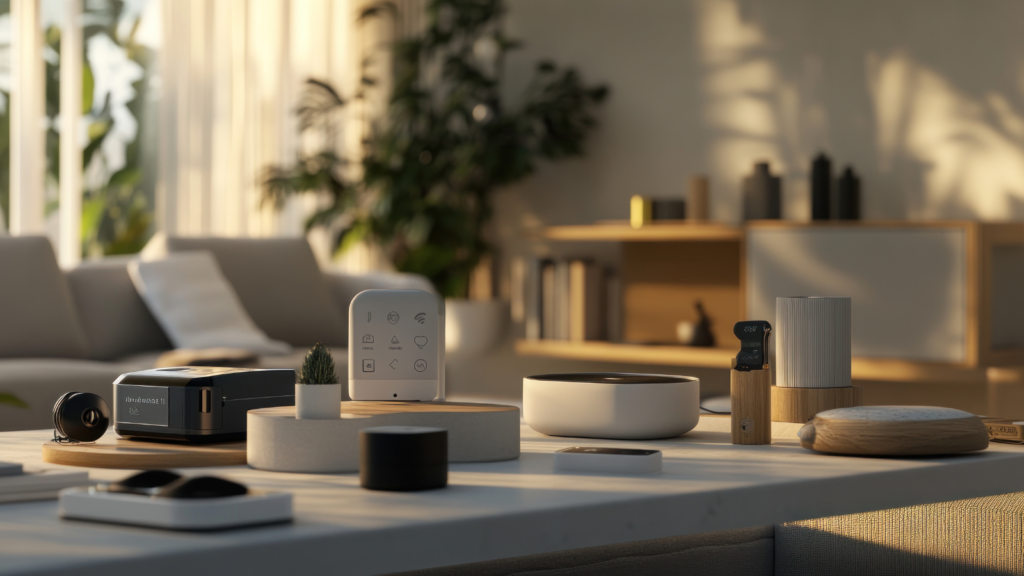
Innovation Beyond Technology
It is also important to recognise that innovation is not limited to hardware.
Software updates regularly introduce new capabilities long after products have been purchased. User interfaces become more intuitive, energy management improves and connected ecosystems continue expanding.
This means innovation increasingly happens throughout a product’s lifecycle rather than ending when it reaches the store.
Consumers benefit from products that continue evolving over time, adding value well beyond the initial purchase.
This ongoing development strengthens relationships between brands and customers while extending the usefulness of existing products.
Why Everyday Innovation Matters
Large technological breakthroughs will always capture attention, and they remain essential for driving the industry forward.
However, the innovations that shape everyday life are often much smaller.
They are found in products that become easier to use, more reliable, more efficient and better suited to changing lifestyles. They remove unnecessary effort and allow people to complete familiar tasks with greater ease.
These improvements may not always be dramatic, but they are often the ones consumers appreciate most.
After all, the products people value most are rarely those that simply introduce something new.
They are the ones that quietly make everyday life a little better, one small improvement at a time.
Text author: Ana Markunović



Recent Comments