

When people think about product design, the first things that usually come to mind are colours, materials and overall appearance. A sleek television, a minimalist coffee machine or a beautifully finished smartphone can certainly make a strong first impression.
However, great design is about much more than aesthetics.
The products people enjoy using every day are rarely successful simply because they look good. They succeed because they are thoughtfully designed to fit naturally into people’s lives. From the moment a product is unpacked to the way it performs years later, good design influences every interaction, often in ways consumers hardly notice.
The best design does not draw attention to itself. Instead, it quietly makes products easier, more enjoyable and more intuitive to use.
Design Begins With Understanding People
Behind every successful product is an understanding of how people actually live.
Designers spend considerable time studying how consumers interact with products, where they experience frustration and what small improvements could make everyday tasks simpler. The goal is not simply to create something attractive, but something that feels natural from the very first use.
A remote control with well-placed buttons, a washing machine with a clear control panel or a coffee machine that is easy to refill all demonstrate thoughtful design. These decisions may appear simple, but they are often the result of careful observation and refinement.
Products that understand their users rarely need lengthy explanations. They simply make sense.
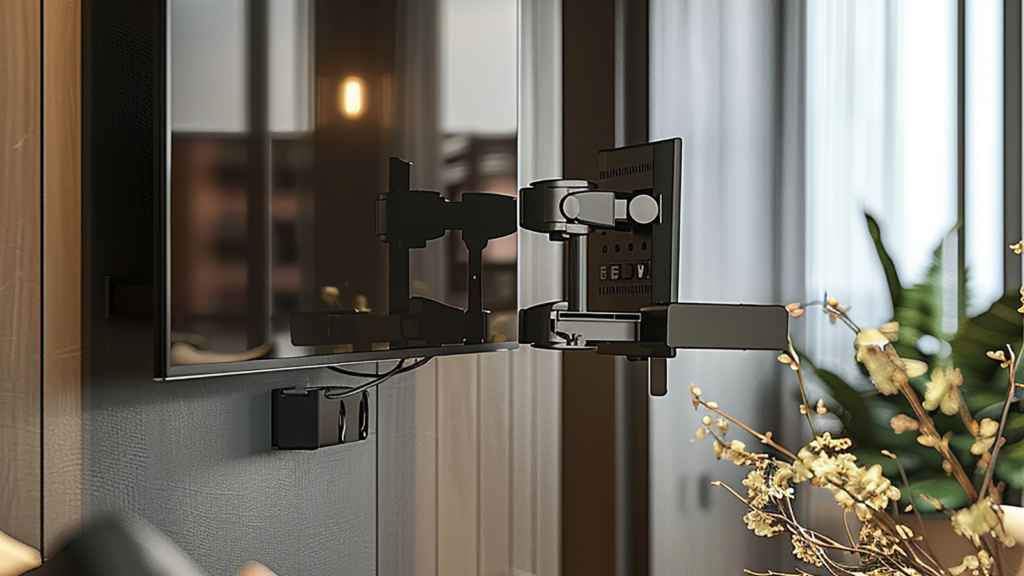
The Best Design Often Goes Unnoticed
Ironically, the most successful design is often invisible.
When a product is easy to use, consumers rarely stop to think about why. Menus are easy to navigate, controls respond exactly as expected and everyday tasks feel effortless.
On the other hand, poor design immediately becomes obvious. Confusing settings, unclear instructions or awkward controls quickly turn even advanced products into frustrating experiences.
This is why good design is often measured not by what it adds, but by what it removes.
Removing unnecessary steps, simplifying navigation and reducing complexity all contribute to a smoother experience.
The fewer obstacles users encounter, the more enjoyable a product becomes.
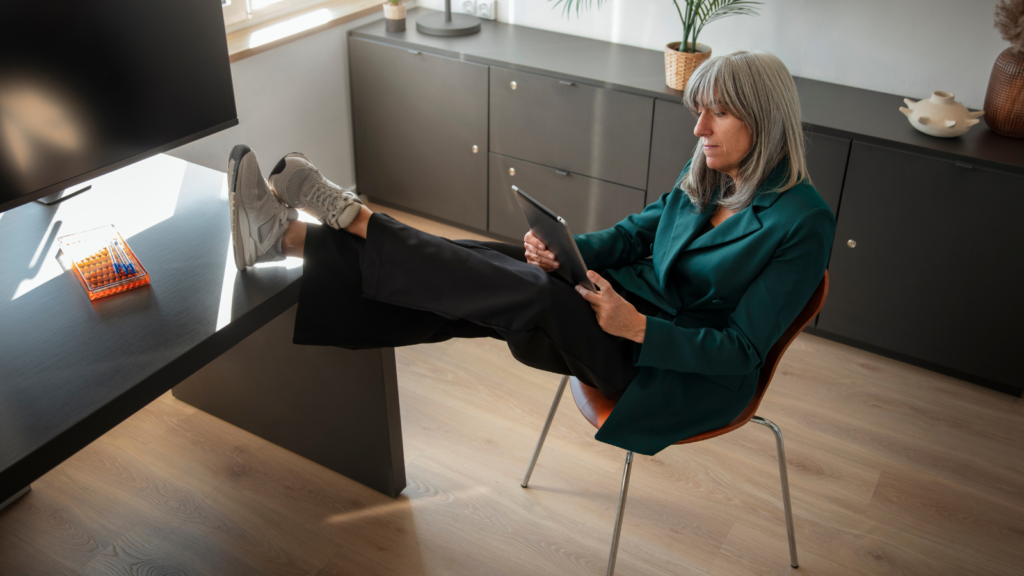
Simplicity Is Surprisingly Difficult
Creating simple products is one of the greatest challenges in product development.
Modern consumer electronics are becoming increasingly sophisticated. Televisions offer countless picture settings, home appliances include advanced programmes and smartphones perform tasks that once required several different devices.
The challenge for designers is making all of this technology accessible.
Consumers should not need technical knowledge to enjoy a product’s benefits. Instead, advanced technology should work quietly in the background while the interface remains straightforward and intuitive.
Achieving this balance requires careful planning.
Every menu, every button and every interaction must feel logical. The result is a product that appears simple despite the complexity hidden beneath its surface.
Design Shapes Everyday Experience
People often judge products based on their long-term experience rather than their first impression.
A beautifully designed product should remain enjoyable after weeks, months and years of use.
This is where practical design becomes just as important as visual design.
For example, products that are easy to clean, comfortable to handle or simple to maintain often create greater satisfaction over time than products that focus solely on appearance.
Similarly, thoughtful storage solutions, intuitive controls and clearly organised interfaces all contribute to how products feel during everyday use.
These details may seem minor individually, but together they shape the overall ownership experience.
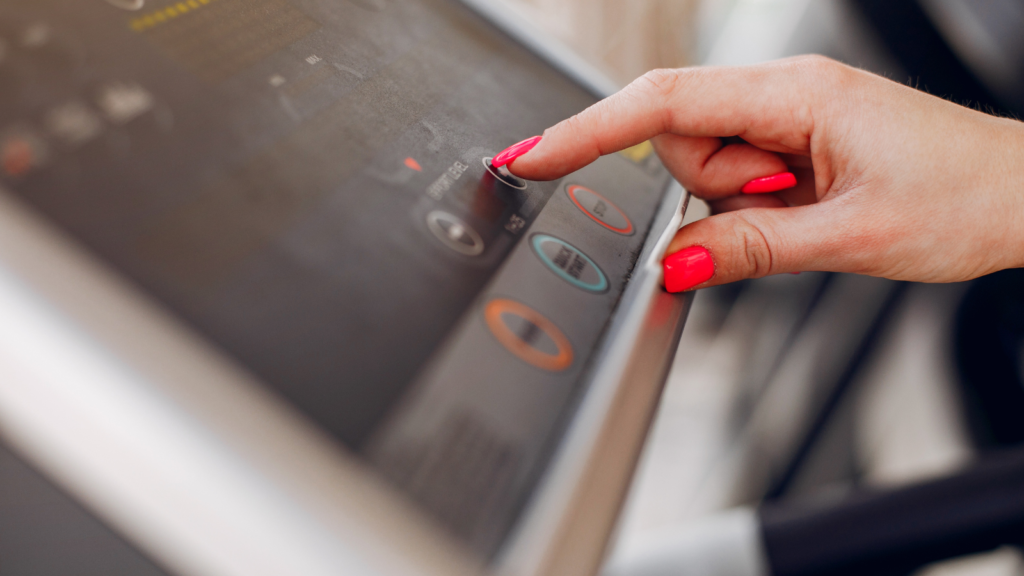
Good Design Builds Confidence
Another important aspect of design is confidence.
Consumers naturally feel more comfortable using products that communicate clearly. Well-designed interfaces reduce uncertainty by making options easy to understand and actions easy to complete.
This becomes particularly important as technology grows more advanced.
Rather than overwhelming users with features, good design presents information in a way that feels manageable. It helps people focus on what they want to achieve instead of how the technology works.
In this way, design supports confidence rather than creating complexity.
Design That Stands The Test Of Time
Fashion trends change quickly, but great design often feels timeless.
Many of the most successful products avoid unnecessary decoration and instead focus on clarity, proportion and functionality. Years after their release, they continue to look appropriate because they were designed with longevity in mind.
The same principle applies to usability.
Products that remain easy to understand as technology evolves often enjoy much longer lifecycles. Consumers appreciate products that continue feeling familiar even as new features are introduced through updates or future generations.
Timeless design is rarely accidental. It comes from focusing on lasting value rather than short-term trends.
More Than A Beautiful Product
Ultimately, great design is not about making products look expensive or modern.
It is about understanding how products become part of everyday life.
A well-designed television encourages people to enjoy entertainment without distraction. A thoughtfully designed appliance simplifies daily routines. A carefully planned interface reduces frustration and increases confidence.
These experiences shape how consumers remember products long after they have forgotten specifications or marketing messages.
In the end, great design is not measured by how a product looks on a shelf.
It is measured by how naturally it fits into everyday life, how easily it solves problems and how enjoyable it remains long after the excitement of purchase has faded.
That is what transforms good products into great ones—and why design continues to be one of the most important aspects of modern consumer technology.
Text author: Ana Markunović



Recent Comments