

For years, premium technology was defined by having more. More features, more settings and more possibilities. Today, that definition is changing. In a world filled with constant notifications, complex interfaces and endless choices, simplicity has become a true sign of quality.
Consumers are no longer impressed by technology that demands attention. They value products that work intuitively, fit naturally into daily life and solve problems without effort.
From feature overload to meaningful design
As devices became more advanced, they also became more complicated. Menus grew deeper, settings multiplied and setup often required time and patience. Over time, this complexity started to feel less like innovation and more like friction.
Modern premium products focus on doing fewer things better. Clean interfaces, logical navigation and thoughtful design create a sense of ease. Technology feels supportive rather than overwhelming, which is increasingly perceived as high quality.
Simplicity saves time and energy
One of the main reasons simplicity is valued today is its impact on everyday life. Devices that are easy to set up and intuitive to use reduce mental effort. Automation and smart defaults remove the need for constant decisions.
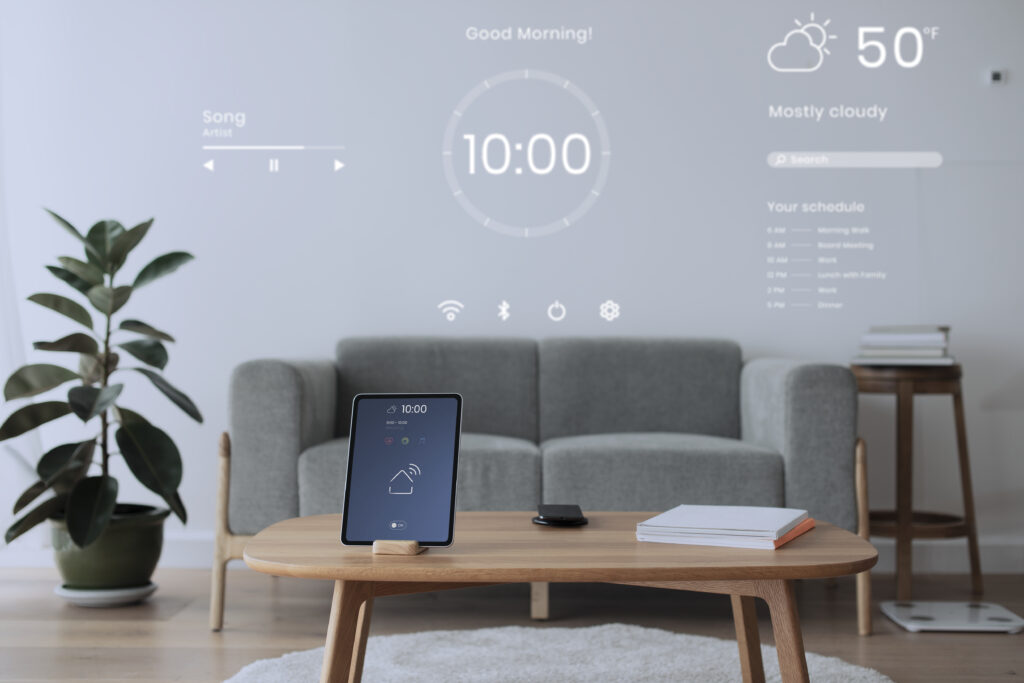
This does not only save time. It also reduces stress. When technology works quietly in the background, users can focus on what matters rather than managing devices.
Reliability over constant innovation
Premium is no longer about being first. It is about being reliable. Consumers prefer products that work consistently and predictably, even if they do not introduce radical new features every year.
This shift reflects a more mature relationship with technology. Instead of chasing novelty, users look for stability, longevity and products that age well both technically and visually.
A more conscious approach to consumption
Simplicity is also linked to sustainability. Products designed with clarity and purpose often last longer and require fewer replacements. Fewer features can mean fewer points of failure and easier maintenance.
Consumers increasingly choose quality over quantity. A well designed product that does its job effortlessly feels more premium than one that offers endless options but rarely delivers comfort.

Premium, redefined
Simplicity does not mean less technology. It means better technology. Products that feel natural, intuitive and reliable are becoming the new premium standard.
In a world of constant complexity, simplicity stands out. And increasingly, it is what people are willing to invest in.
Text author: Ana Markunović



Recent Comments