

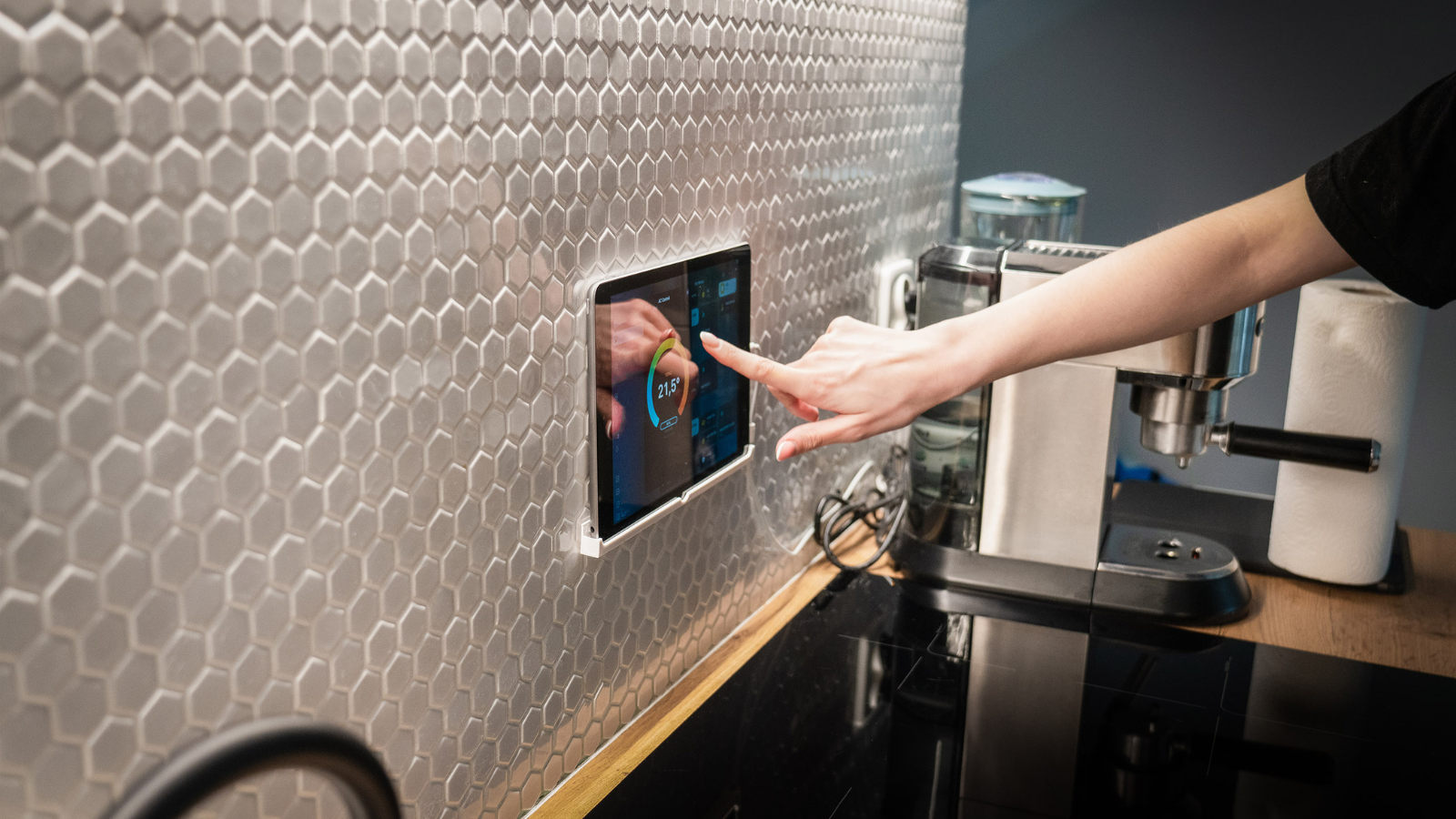
Smart home technology promises convenience, comfort and control. Yet for many households, it slowly becomes the opposite. Multiple apps, overlapping systems and constant notifications can make a connected home feel more complex than helpful.
The good news is that most smart homes do not need more devices. They need simplification.
Start By Choosing One Main Ecosystem
One of the biggest sources of confusion is mixing too many platforms. Smart lighting on one app, speakers on another, heating controls on a third. While variety is sometimes unavoidable, choosing one primary ecosystem as the “home base” creates structure.
Whether it is a central smart assistant, a TV platform or a preferred brand ecosystem, having one core system reduces duplication and conflicting settings. It also makes automation easier and more predictable.
A smart home works best when there is one clear centre of control.
Reduce The Number Of Apps
Every additional app adds friction. Over time, users forget where certain settings are located and which app controls which device.
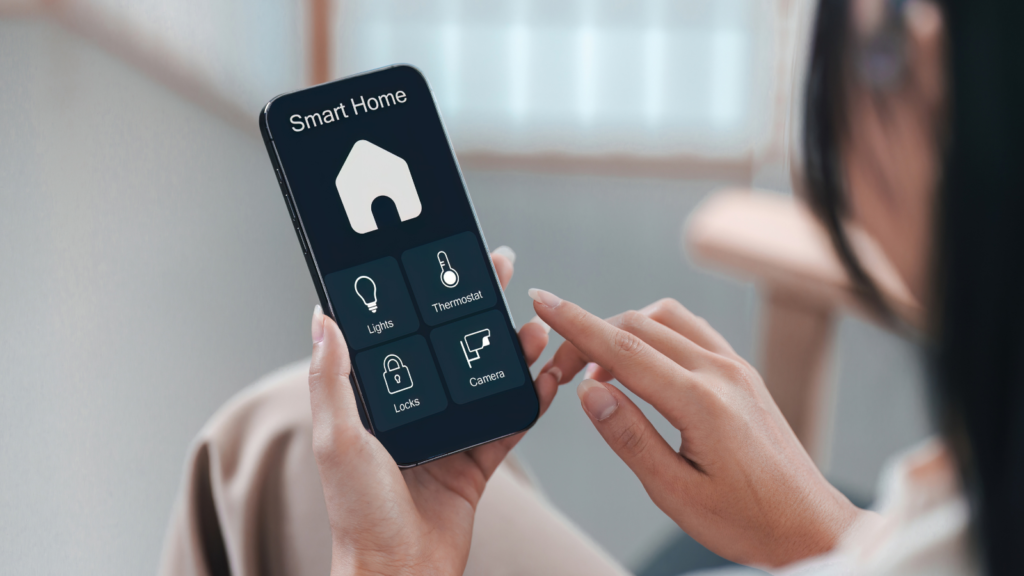
Reviewing installed apps and removing those no longer needed immediately reduces mental clutter. Where possible, consolidating devices under one main app or dashboard simplifies everyday use.
Fewer apps often mean faster interaction and fewer mistakes.
Simplify Automation
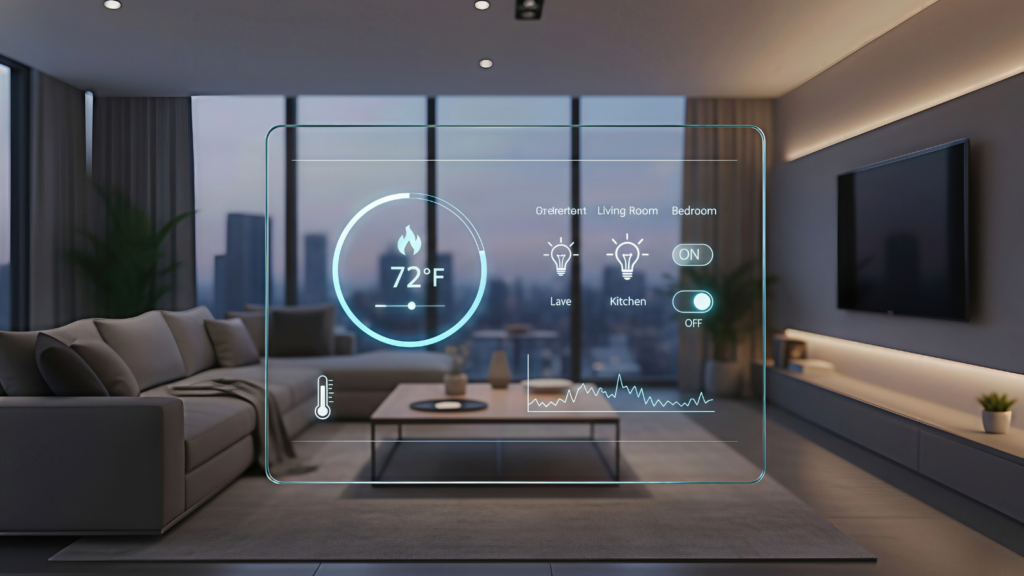
Automation is meant to make life easier, not more complicated. Yet overly detailed routines can quickly become difficult to manage. Instead of creating dozens of scenarios, focus on a few that genuinely support daily habits.
Basic routines such as evening lighting adjustments or automatic temperature control often provide the most value. When automation feels natural and predictable, the system becomes easier to trust.
Complexity rarely improves comfort.
Reconsider Device Placement
Sometimes complication is not digital, but physical. Poor placement of routers, speakers or sensors can cause inconsistent performance. This leads to troubleshooting, resets and frustration.
Ensuring good connectivity and clear positioning improves reliability. A stable system feels simpler, even if the number of devices remains the same.
Turn Down The Notifications
One of the fastest ways to reduce smart home stress is limiting notifications. Not every device needs to report every action. Disabling unnecessary alerts restores calm and reduces the sense of constant digital activity.
A smart home should support daily life quietly. When alerts are reserved for truly important events, technology feels less intrusive.
Create Clear Everyday Use Patterns
Smart homes feel complicated when no one knows which device to use for what. Defining simple routines, such as always using one speaker for music or one app for lighting adjustments, creates clarity.
Consistency builds familiarity. Familiarity reduces friction.
Keep It Intentional
The most important principle is intention. Before adding a new device, consider whether it truly improves daily life or simply adds novelty. Smart homes benefit more from thoughtful refinement than from expansion.
A connected home does not need to feel technical. With fewer apps, simpler automation and clearer structure, it can become what it was meant to be: comfortable, intuitive and supportive.
Technology should quietly adapt to your life. When it does, your smart home finally feels smart.
Text author: Ana Markunović


Recent Comments