

Samsung is redefining the boundaries of everyday technology with the launch of the Galaxy XR, its first extended-reality headset built in collaboration with Google and Qualcomm. Designed to merge the physical and digital worlds, Galaxy XR introduces an entirely new way to connect, create, and experience content, powered by Samsung’s expertise in display, design, and performance.
A bold new category
The Galaxy XR is Samsung’s first device built on the new Android XR platform, optimized for spatial computing. It blends AI-enhanced visuals, real-time environment mapping, and seamless hand tracking to create a natural, intuitive user experience. The headset also integrates Google’s Gemini AI, enabling smart assistance that responds to voice, gesture, and even gaze.
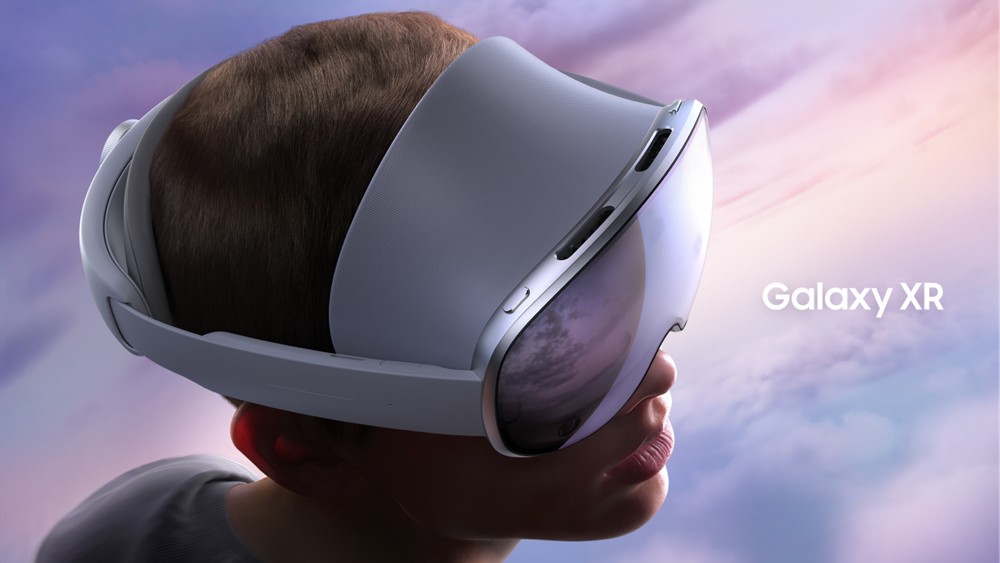
Power and precision
At the core of the Galaxy XR lies Qualcomm’s Snapdragon XR2+ Gen 2 processor designed to deliver ultra-low latency, vivid 4K-per-eye visuals, and realistic depth perception. Combined with Samsung’s latest micro-OLED displays and precision sensors, users can move effortlessly between fully immersive XR content and real-world passthrough mode.
A collaborative ecosystem
The Galaxy XR isn’t just about hardware, it’s about an ecosystem. Together with Google’s software and Qualcomm’s processing power, Samsung aims to create an open platform where developers and partners can build new XR experiences. From entertainment and productivity to education and design, the possibilities extend far beyond traditional screens.
Built for creators and explorers
Early previews highlight the headset’s ability to recognize real-world objects, interpret surroundings, and provide contextual information instantly. Samsung calls this “spatial intelligence,” positioning Galaxy XR as both a creative tool and a productivity companion. For users, it promises a seamless transition between physical space and digital creativity.
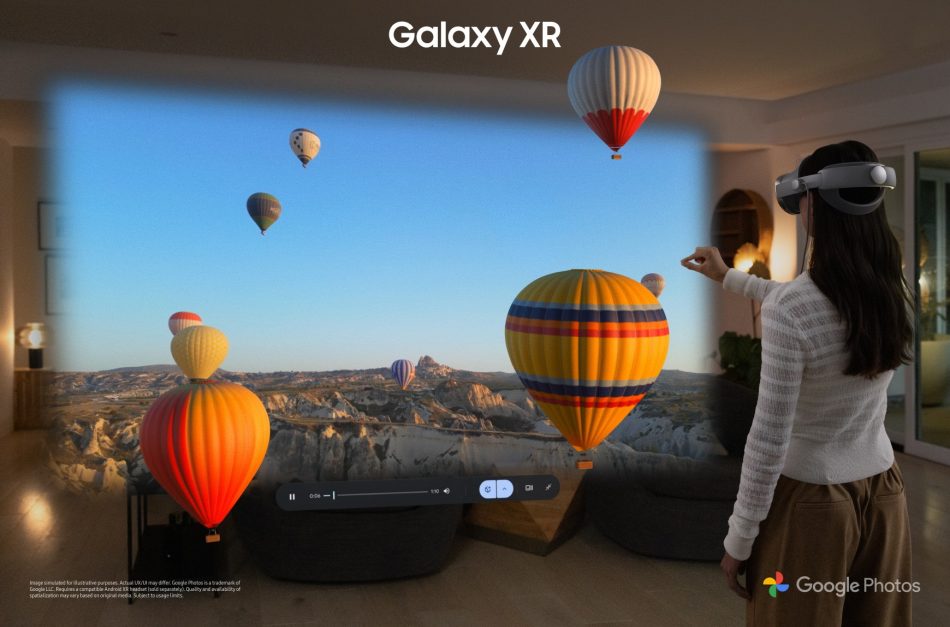
The next step in the Galaxy vision
With the Galaxy XR, Samsung moves beyond smartphones, tablets, and TVs, entering a new era where technology adapts to how we live, work, and imagine. It’s a glimpse into a future where devices are no longer defined by screens, but by the experiences they unlock.
Text source: Samsung


Recent Comments