

Walking into a store, the difference is often immediate. Some spaces feel clear, comfortable and easy to navigate. Others feel overwhelming, even if they offer similar products.
This experience is not accidental. It is shaped by how the environment is organised and how information is presented.
Clarity reduces effort
Stores that feel easy to shop in usually have a clear structure. Products are grouped logically, categories are easy to understand and navigation feels natural.
This reduces the effort required to find and compare products.
Customers can focus on making a decision rather than trying to understand the layout.
The problem with too many choices
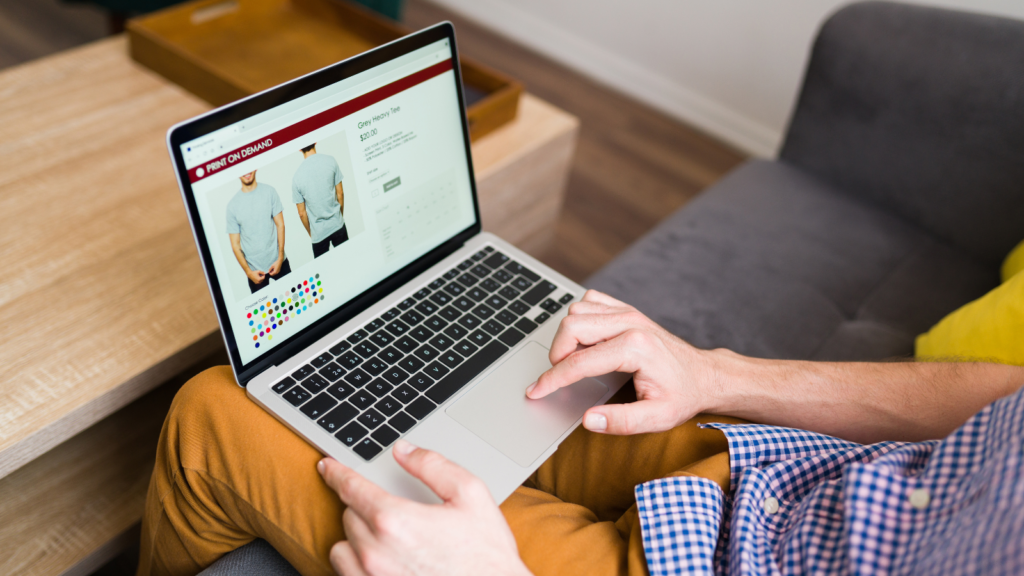
Offering a wide range of products is important, but without clear differentiation, it can create confusion.
When multiple similar products are presented without clear guidance, decision-making becomes more difficult.
This often leads to hesitation, even when the right option is available.
The importance of guidance
Clear information, simple explanations and visible differences between products make the process easier.
Customers feel more confident when they understand what they are choosing and why.
Human interaction still matters
Even in well-designed spaces, personal interaction plays a key role. Advice, explanations and support help reduce uncertainty.
A helpful conversation often makes the difference between hesitation and decision.
Experience over visual impact
A visually impressive store is not necessarily easy to shop in. Design alone does not guarantee a good experience.
A space that is simple, clear and easy to navigate often feels more comfortable.
Why this matters for retail
Shopping is not only about products. It is about how easy it is to choose them.
The best retail environments are not the most complex or the most visually striking. They are the ones that make the process feel simple, intuitive and comfortable from the moment a customer walks in.
Text author: Ana Markunović



Recent Comments