

When people buy technology, they often imagine exactly how they will use it. A product is chosen with a specific purpose in mind, based on features, marketing and expectations. However, once the device becomes part of everyday life, usage patterns often change.
Some features become essential, while others are rarely used. This gap between expectation and reality reveals how technology truly fits into daily routines.
Planned Use Versus Real Use
At the moment of purchase, decisions are based on planned scenarios. A laptop might be bought for productivity, but used mainly for browsing and streaming. A smart home device may be purchased for automation, but used manually instead.
Real usage is shaped by habits, convenience and context rather than initial intentions. Over time, users naturally gravitate toward what feels easiest and most useful.
This shift is not a problem. It is a reflection of how technology adapts to real life.
The Features That Stay
As time passes, certain features become part of everyday routines. These are usually the ones that are easiest to access and provide immediate value. They require minimal effort and fit naturally into daily habits.
More complex or advanced features, even if impressive, are often used less frequently. Not because they are unnecessary, but because they require more attention or effort.
Simplicity tends to win over time.
Learning From Actual Behaviour
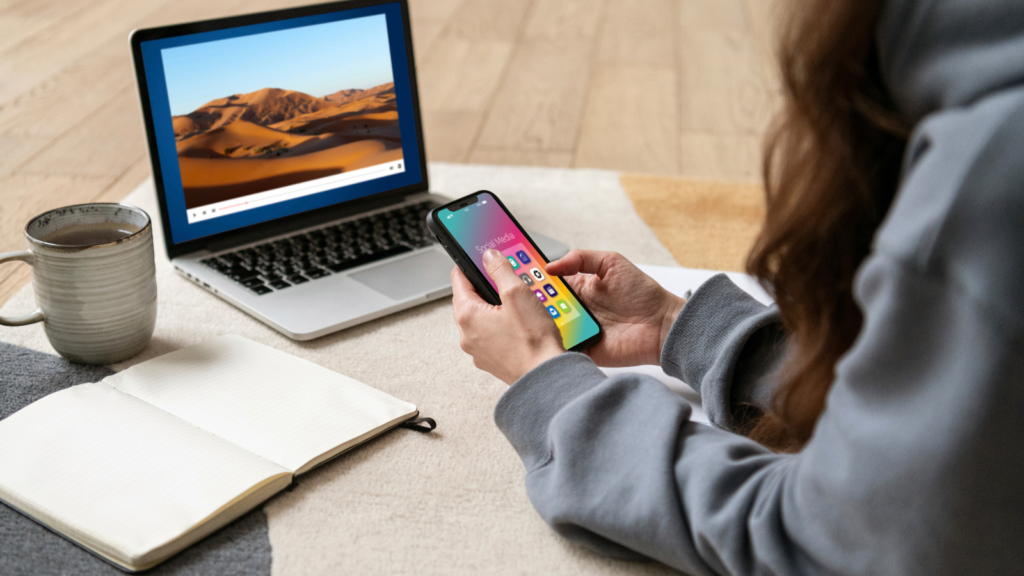
Understanding how devices are actually used can improve future decisions. Instead of focusing on what a product can do, it becomes more useful to consider what will realistically be used on a daily basis.
This insight leads to more practical choices and reduces the risk of overbuying. It also shifts the focus from features to experience.
Technology becomes more valuable when it aligns with behaviour rather than expectation.

A More Realistic Approach To Technology
Accepting that usage may differ from expectations allows for a more balanced view of technology. Products do not need to be used fully to be valuable. They need to be useful in ways that matter most to the user.
In many cases, the best products are not the ones with the most features, but the ones that adapt most naturally to everyday life.
Text author: Ana Markunović


Recent Comments