

New technology is constantly being introduced, making upgrades feel almost necessary. New models, improved features and constant innovation create the impression that what we already own is quickly becoming outdated. However, not every new release requires immediate replacement.
In many cases, the difference between a meaningful upgrade and an unnecessary purchase lies in understanding how technology is actually used. Knowing when to upgrade and when to optimise what you already have is becoming an increasingly important skill.
The Difference Between Need And Desire
The desire for new technology is often driven by curiosity, marketing and the appeal of something new. The need for new technology, however, usually comes from clear limitations in everyday use.
If a device no longer performs reliably, struggles with newer applications or creates daily frustration, an upgrade may be justified. On the other hand, if it still supports routines without issues, replacement may not bring a significant improvement.
Understanding this difference helps avoid decisions based on impulse rather than real benefit.
When Optimisation Is Enough
Many performance issues can be resolved without buying a new product. Software updates, clearing unused applications, improving device placement or adjusting settings can significantly improve performance.
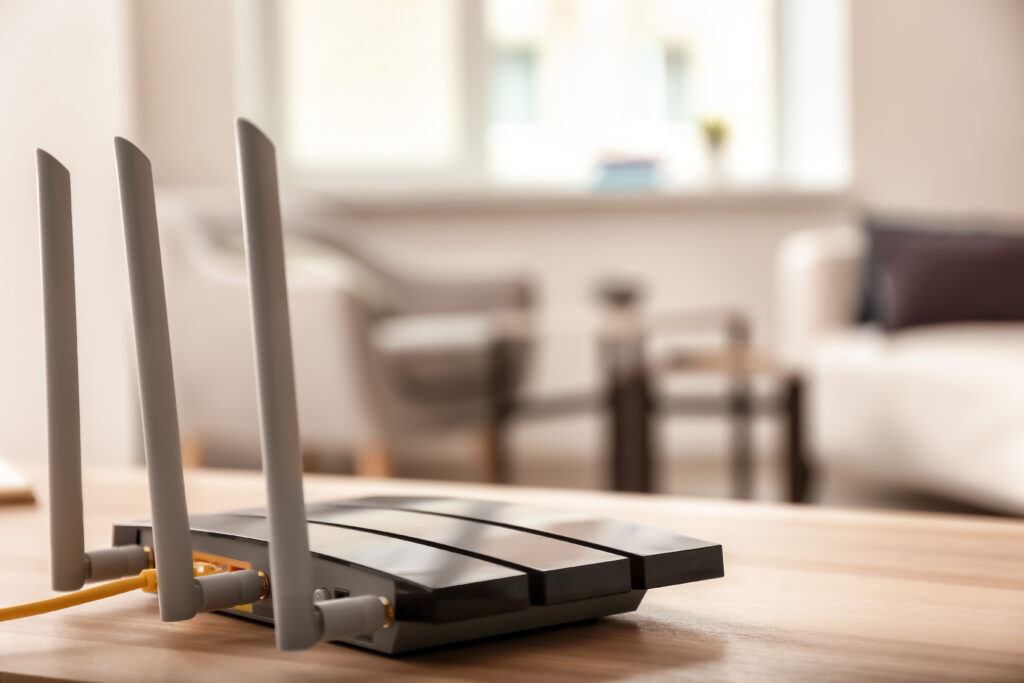
Accessories can also play a role. A better router setup, an external keyboard, improved lighting or even reorganised cables can enhance the overall experience.
Optimisation is often the most efficient first step. It allows users to get more value from what they already own before considering replacement.
Recognising Real Limitations
An upgrade becomes meaningful when it solves a clear and consistent problem. This could be slow performance that affects daily work, poor connectivity that disrupts usage or lack of compatibility with newer services and devices.
Occasional inconvenience is not always a reason to upgrade. Consistent limitation is. The key is identifying whether the issue is temporary or structural.
When the limitation affects everyday routines, the value of upgrading becomes clear.

Making Smarter Upgrade Decisions
The most valuable upgrades are intentional. They are based on improving everyday experience rather than simply chasing better specifications.
Before upgrading, it is worth asking what will actually change. Will the new product save time, reduce frustration or improve comfort? If the answer is yes, the upgrade has real value.
In many cases, better technology is not about replacing everything. It is about choosing carefully and upgrading only when it truly makes a difference.
Text author: Ana Markunović



Recent Comments