

Technology changes constantly. New devices appear every year, trends come and go and consumer preferences evolve. Yet despite all this change, some product categories remain remarkably stable.
Televisions continue to be central to home entertainment. Coffee machines remain among the most popular small appliances. Audio products continue to attract consumers despite dramatic changes in how people listen to music.
What explains the staying power of these categories?
Technology Changes, Human Needs Do Not
One of the most important reasons certain product categories remain relevant is that they address needs that rarely change.
People still want to relax after a busy day. They still want to enjoy music, watch films, stay informed and simplify everyday tasks. Technology may offer new ways of achieving these goals, but the goals themselves remain surprisingly consistent.
This creates a strong foundation for long-term relevance.
Take televisions as an example. Modern TVs bear little resemblance to the models available twenty or thirty years ago. Screen quality, connectivity, design and functionality have all changed dramatically. Yet the basic purpose remains the same: providing entertainment and bringing people together around shared content.
The technology evolves, but the role it plays in everyday life remains familiar.
The Most Successful Categories Adapt
Product categories that survive for decades rarely stay exactly the same.
Instead, they evolve alongside consumer expectations.
Audio products provide a clear example of this process. Listening to music has changed significantly over time, moving from vinyl records and CDs to digital streaming platforms. Speakers have become wireless, headphones have become smarter and entire audio ecosystems can now be controlled from a smartphone.
Despite these changes, the core experience remains unchanged. People still want to enjoy music, podcasts and entertainment wherever they are.
The categories that endure are often those that successfully embrace innovation while preserving the value consumers originally appreciated.

Familiarity Creates Trust
Another factor contributing to longevity is familiarity.
Consumers tend to feel comfortable with products they understand. Certain categories have become deeply integrated into everyday routines and household environments.
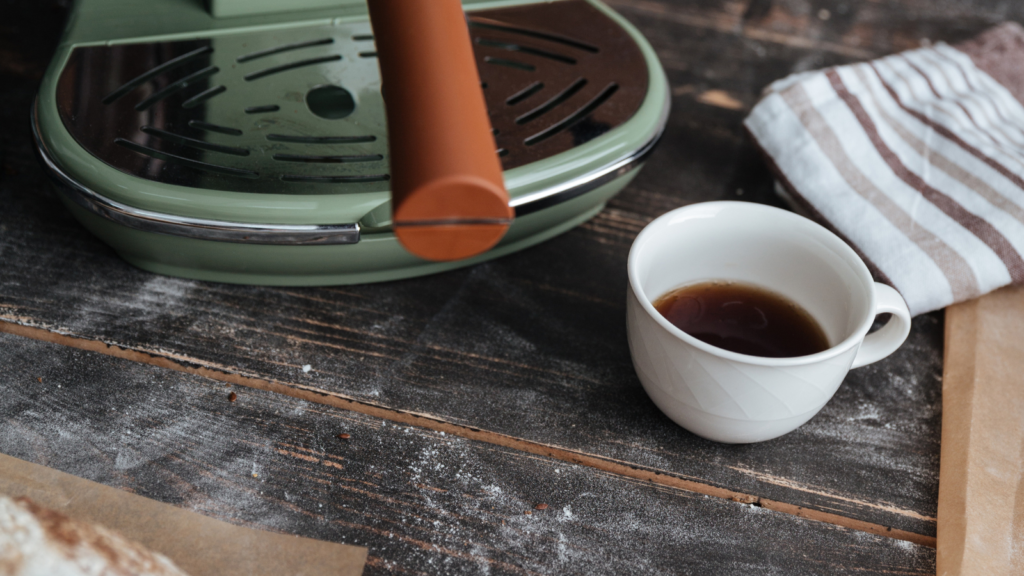
Coffee machines, televisions and kitchen appliances often occupy familiar spaces within the home. Their role is well understood, which makes them easier to adopt across generations.
This familiarity also creates trust. Consumers know what these products are supposed to do, which reduces uncertainty when making purchasing decisions.
New categories often face a much greater challenge because they must first convince consumers that they need them at all.
Everyday Relevance Is Difficult To Replace
Many technology trends generate excitement when they first appear. Some attract media attention, industry investment and strong initial sales.
However, excitement alone is rarely enough to guarantee long-term success.
The categories that remain relevant are usually those that support everyday routines. They provide value repeatedly and consistently rather than occasionally.
For example, consumers may use a television daily for years. A coffee machine may become part of every morning routine. A washing machine performs an essential task regardless of changing technology trends.
This frequency of use creates lasting relevance.
Products that support recurring needs are naturally more resistant to changing market conditions.
Innovation Does Not Always Mean Replacement
One common misconception is that innovation always replaces existing products.
In reality, innovation often strengthens established categories rather than eliminating them.
Modern televisions have incorporated streaming services, gaming features and smart connectivity. Coffee machines now offer automation and customisation. Home audio systems have become more connected and flexible.

These improvements help categories remain relevant by adapting to changing lifestyles.
Rather than being replaced, many successful product categories continue to evolve alongside consumer expectations.
Why Some Categories Disappear
Of course, not every category survives.
Products often struggle when they solve temporary problems, rely on outdated behaviours or fail to adapt to changing consumer needs.
History is full of examples of categories that once appeared promising but gradually lost relevance as better alternatives emerged.
The difference is usually not technological capability alone. It is the ability to remain useful as habits, lifestyles and expectations change.
Products that cannot evolve often become obsolete.
Products that continue providing value remain relevant.
The Value Of Longevity
In an industry that often celebrates the newest innovations, longevity is sometimes overlooked.
Yet remaining relevant for decades is one of the strongest indicators of success a product category can achieve.
It demonstrates an ability to adapt, respond to changing needs and maintain value across generations of consumers.
While many new products will continue to appear, the categories that endure remind us of an important principle: lasting success is not always about being the newest.
Sometimes it is about continuing to serve a purpose that people genuinely value.
And as long as those needs remain, certain product categories will continue to have a place in homes around the world.
Text author: Ana Markunović



Recent Comments