

Every year, consumers purchase millions of new technology products. Some immediately become part of everyday life, while others slowly disappear into cupboards, drawers or spare rooms, rarely being used again.
The difference is rarely determined by price or technical specifications alone.
Instead, it depends on something much more important: whether the product successfully earns a place in people’s daily routines.
The products that remain valuable over time are usually those that solve real problems, adapt to changing lifestyles and quietly become part of the home without demanding constant attention.
Understanding why certain products achieve this lasting relevance offers valuable insight into how consumers build relationships with technology.
A Purchase Is Only The Beginning
Buying a product is often seen as the final step in the shopping journey.
In reality, it is only the beginning.
Once a product enters the home, it faces a completely different challenge. It must prove that it deserves to remain there.
Some products achieve this almost immediately.
A coffee machine quickly becomes part of the morning routine. A television brings the family together for films, sporting events and favourite series. A robot vacuum quietly integrates itself into weekly household routines.
The more naturally a product fits into everyday life, the more likely it is to become indispensable.
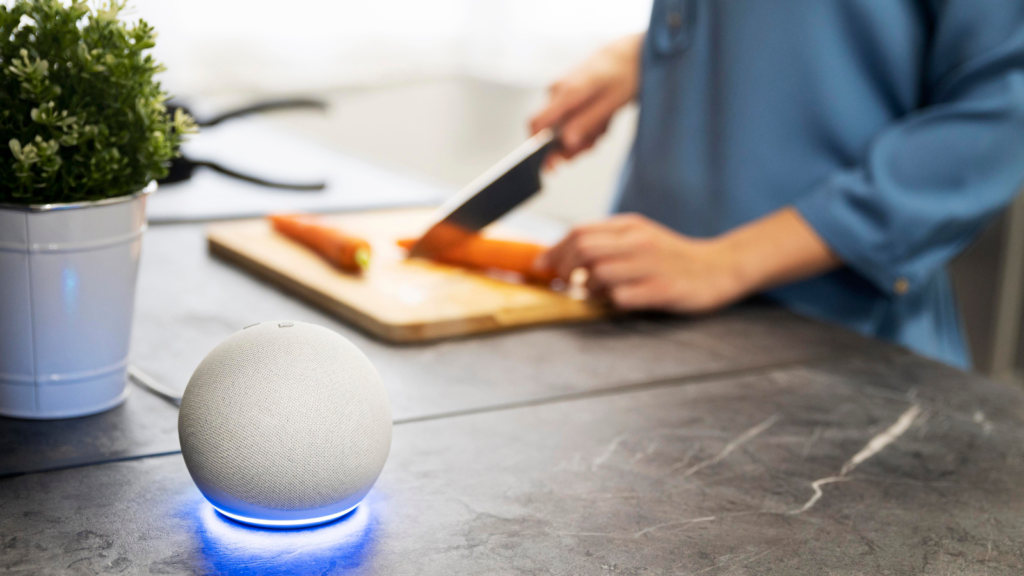
Everyday Use Builds Attachment
Consumers often develop stronger connections with products they use frequently.
Daily interaction creates familiarity, and familiarity creates trust.
Interestingly, emotional attachment is not limited to products with sentimental value.
Even practical household appliances can become favourites simply because they perform consistently and make life easier.
A reliable washing machine, a trusted coffee machine or a dependable laptop often earns appreciation through repeated positive experiences rather than dramatic innovation.
These products quietly become part of daily life.
Solving Problems Creates Long-Term Value
Technology that remains useful over many years usually has one thing in common. It solves a problem that continues to exist. Consumers may change smartphones more frequently than refrigerators, but both categories succeed when they consistently fulfil their purpose.
Products that save time, reduce effort or improve comfort naturally become integrated into household routines. Their value grows through repetition. Instead of creating excitement only once, they continue providing benefits every day.
The Home Continues To Evolve
Homes today are different from those of even ten years ago. More people work remotely, consume entertainment through streaming services and rely on connected devices throughout the day.
As lifestyles change, the products that earn a permanent place in the home also evolve.
Technology is no longer confined to one room or one activity. It supports work, relaxation, communication, learning and entertainment across the entire household. The products that adapt successfully to these changing needs remain relevant for much longer.
Beyond Features
Consumers rarely remember every specification of a product they have owned.
Instead, they remember how it made everyday life feel.
Did it save time?
Did it reduce frustration?
Did it become something they could rely on without thinking?
These questions often determine long-term satisfaction more than processor speeds or feature lists.
The products that truly earn their place in the home are those that quietly improve everyday experiences while asking for very little in return. Ultimately, success is not measured by how often people talk about a product. It is measured by how naturally it becomes part of everyday life.When technology reaches that point, it stops feeling like another device.
It simply becomes part of home.
Text author: Ana Markunović



Recent Comments