

Not all technology feels the same once it becomes part of daily life. Some products quickly find their place, while others, even if technically impressive, feel slightly out of sync with how people actually live.
This difference is often not obvious at the moment of purchase. It becomes clear over time, through everyday use. The way a product integrates into routines, how it responds in small moments and how naturally it fits into the environment all influence long-term satisfaction.
The moment a product becomes part of a routine
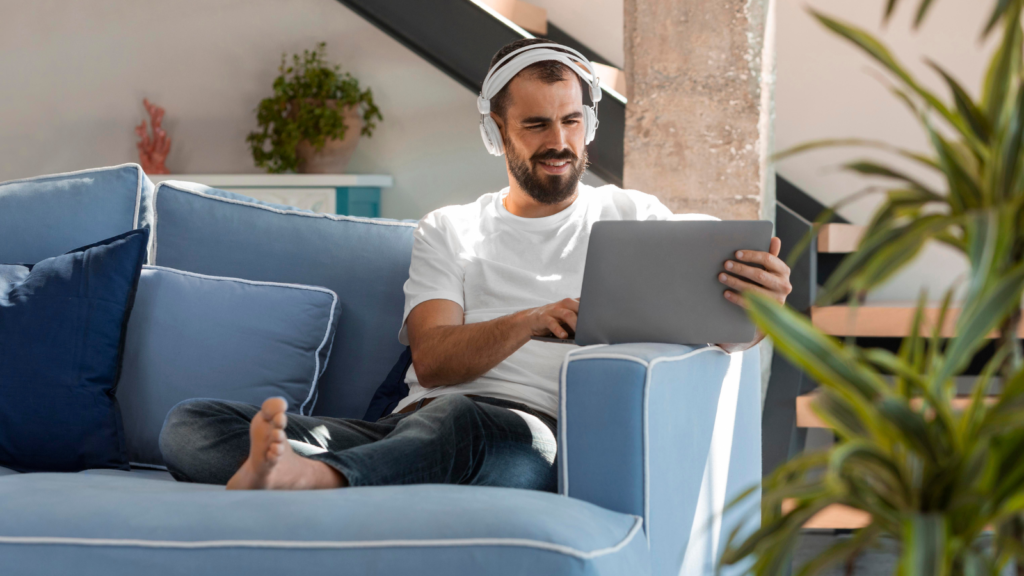
The true test of any device is not the first day, but the first few weeks. This is when initial excitement fades and real usage begins. Products that fit well start to align with routines almost naturally. They require little explanation, little adjustment and very little attention.
Morning habits, work patterns, evening routines, all of these shape how technology is used. A product that supports these patterns feels intuitive. It does not interrupt or slow things down. It simply becomes part of the flow.
When this happens, users stop evaluating the product. They start relying on it.
Why “ease” is often misunderstood
Ease of use is often reduced to simple interfaces or fewer buttons. In reality, it is much more complex. True ease comes from alignment between the product and the user’s expectations.
A device can be simple but still feel frustrating if it does not behave in the way the user expects. At the same time, a more advanced product can feel easy if its logic is clear and consistent.
Ease is not about reducing functionality. It is about making that functionality feel natural.
The role of small, almost invisible details
What makes a product feel right is often difficult to explain, because it comes from small details rather than big features. The speed of response. The consistency of behaviour. The way menus are structured. The absence of unnecessary steps.
These elements rarely appear in product descriptions, yet they define daily experience.
Over time, users do not remember specifications. They remember how a product feels to use.
When technology stops being “technology”
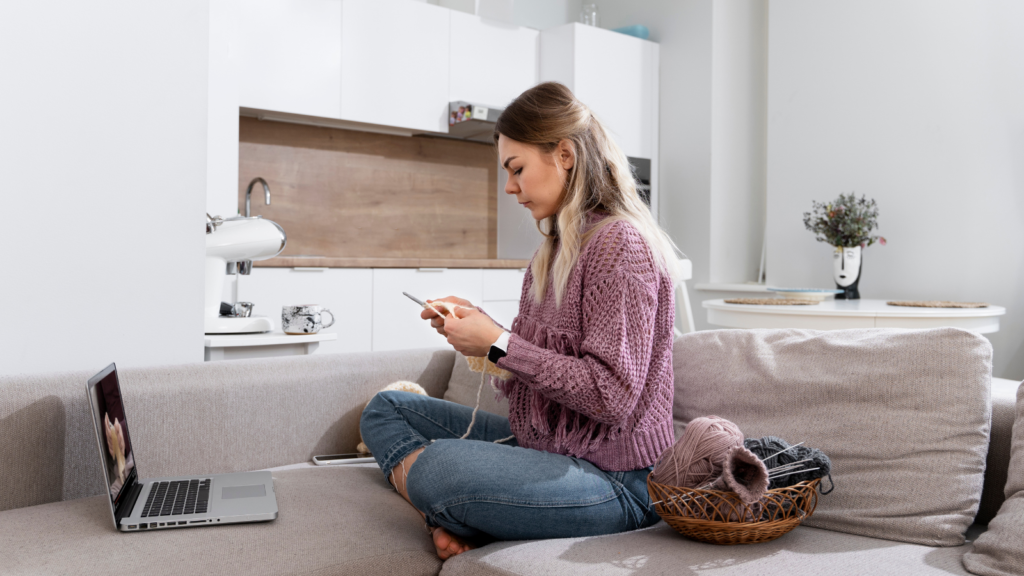
The most successful products eventually stop feeling like technology. They become part of the environment, similar to lighting or furniture. They are used automatically, without conscious thought.
This is not a loss of importance. It is the highest level of integration.
When a device reaches this stage, it is no longer evaluated. It is simply trusted.
Why this matters for decision-making
Understanding this shift changes how technology should be chosen. Instead of focusing only on features, it becomes more important to think about context.
Where will the product be used? How often? By whom? In what kind of space?
The answers to these questions often matter more than specifications.
The best product is not the one with the most features. It is the one that fits so well that it almost disappears into everyday life.
Text author: Ana Markunović



Recent Comments