

Most people do not experience technology through major problems. Devices rarely fail completely. Instead, the experience is shaped by something much more subtle: small, repeated frustrations that appear during everyday use.
A slight delay when opening an app. A connection that drops occasionally. A setting that needs to be adjusted again and again. Individually, these moments seem insignificant. Together, they define how technology feels.
Over time, these small details become more important than any feature list.

The accumulation of small interruptions
One minor inconvenience is easy to ignore. It takes a second longer, requires one extra step or creates a small moment of hesitation. It does not feel like a real problem.
But when this happens dozens of times a day, the effect changes. It starts to interrupt the natural flow of actions. What should feel smooth begins to feel slightly fragmented.
This is how frustration builds – not suddenly, but gradually.
Why these issues are often overlooked
Small frustrations are difficult to identify because they are rarely dramatic. Users adapt quickly. They develop habits, find workarounds and adjust expectations.
In many cases, they stop noticing the problem consciously. It becomes part of the experience.
However, the impact remains. The product feels less comfortable, less reliable, less enjoyable to use.
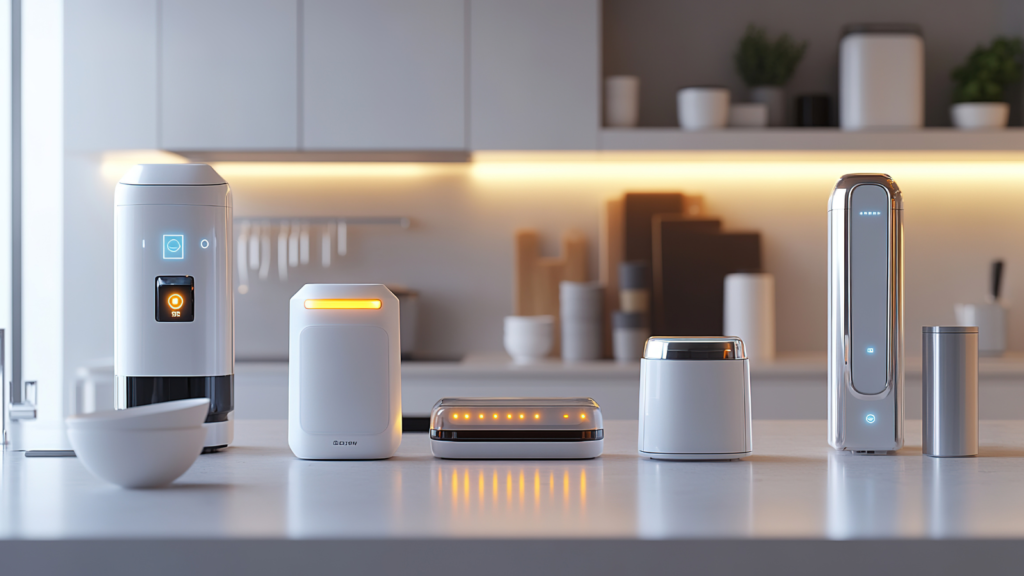
The moment the difference becomes clear
The importance of these small details becomes visible when users switch to a smoother experience. A faster interface, a more stable connection or a simpler workflow immediately feels better.
What was previously tolerated becomes noticeable.
This contrast reveals how much impact small improvements can have.
Why fixing small issues matters more than big upgrades
There is a common assumption that improving technology requires major upgrades. New devices, new systems, new features.
In reality, many improvements come from reducing friction rather than adding functionality.
Improving connectivity, simplifying setup, reorganising how devices are used – these changes often have a stronger impact than replacing hardware.
They improve the experience where it matters most: in everyday use.
Rethinking what “better technology” means
Better technology is often associated with more. More power, more features, more innovation.
But from a user perspective, better often means smoother. Fewer interruptions. Less effort. More consistency.
A product that works without friction feels better, even if it is not the most advanced.
A more realistic way to improve everyday experience
Understanding the role of small frustrations leads to a more practical approach to technology. Instead of focusing only on what is missing, it becomes more useful to focus on what can be improved.
Where are the small delays? What feels unnecessarily complicated? What interrupts the flow?
Answering these questions often leads to simple changes with a big impact.
Because in everyday life, the experience of technology is not defined by what it can do occasionally. It is defined by how it feels all the time.
Text author: Ana Markunović


Recent Comments