

The most successful technology is often the least visible. It does not demand attention, explain itself or constantly remind us that it exists. Instead, it quietly becomes part of everyday life. Over time, we stop noticing it at all.
This shift marks an important change in how consumer electronics evolve. Progress is no longer measured by how much attention a device attracts, but by how naturally it fits into daily routines.
When technology becomes routine
At first, new technology is always noticeable. We explore features, test settings and talk about what it can do. But as products improve, they require less effort and less thought. Smart TVs turn on faster. Headphones connect instantly. Appliances adjust programs automatically.
Once technology reaches this point, it becomes routine. And routine is a sign of maturity. Devices that disappear into daily life have reached a level where they support habits instead of interrupting them.

Less interaction, better experience
One reason we stop noticing certain devices is that they ask less from us. Fewer notifications, simpler interfaces and smarter defaults reduce the need for constant interaction.
Automation plays a key role here. Lighting that adjusts on its own or heating that adapts to routines no longer feels like technology. It feels like comfort. The experience becomes smoother because there are fewer decisions to make.
Reliability builds invisibility
Technology that works consistently fades into the background. When devices respond quickly, update quietly and perform as expected, they no longer draw attention.
Problems are what make technology visible. Stability is what makes it invisible. Over time, reliability creates trust, and trust allows users to forget about the device entirely.
Design that blends in
Visual design also contributes to this effect. Neutral colours, clean lines and quiet operation allow devices to blend into living spaces. Instead of standing out, technology becomes part of the environment.
This approach reflects a broader change in preferences. Many consumers now value calm and coherence over bold statements. Technology that fits in feels more premium than technology that demands attention.
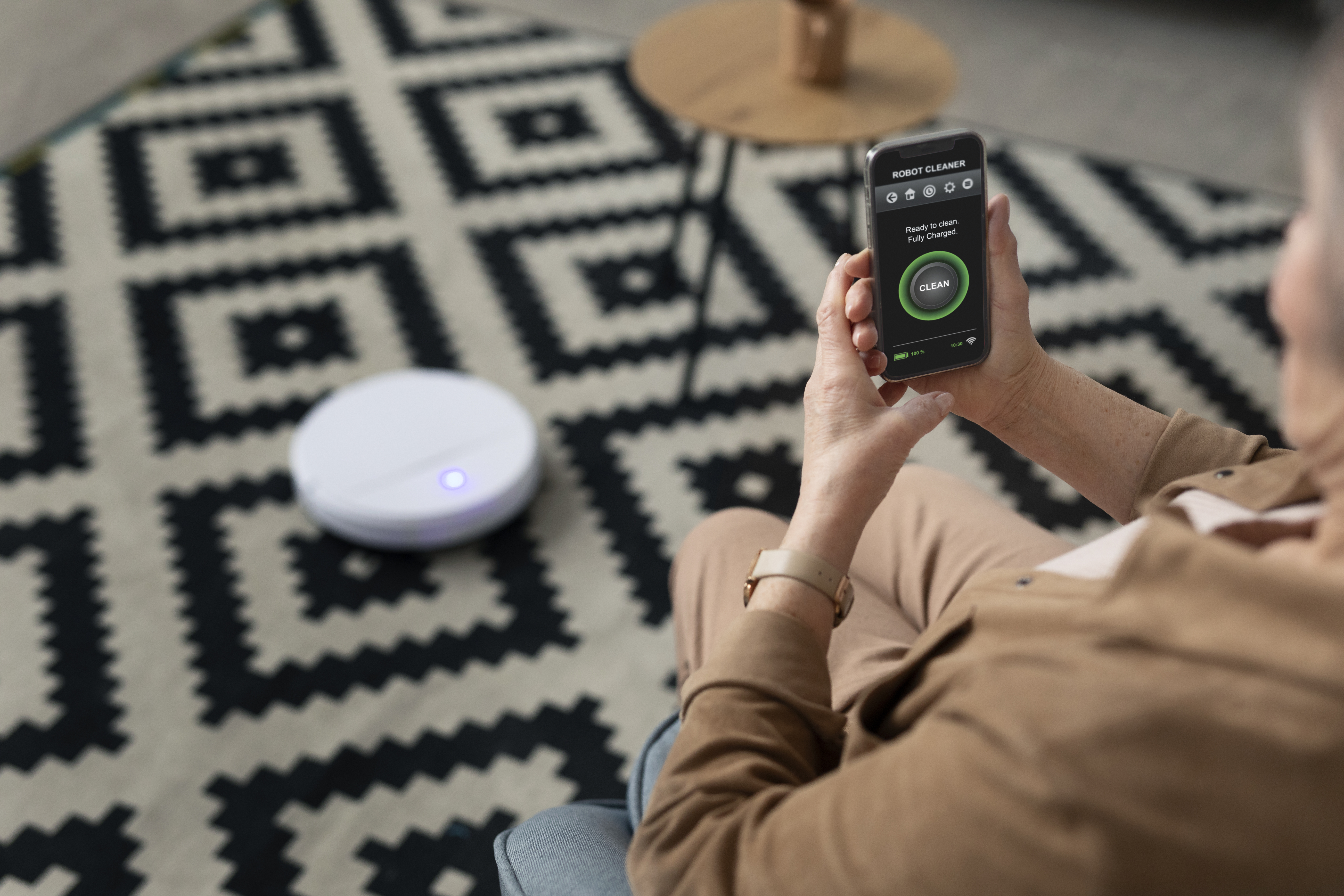
Why this matters for everyday life
When technology stops demanding focus, it frees attention for other things. Less screen time, fewer interruptions and smoother routines improve quality of life in subtle but meaningful ways.
This is especially important at home, where technology should support rest, connection and comfort rather than compete for attention.
Progress you barely notice
The future of consumer electronics is not loud. It is quiet, stable and thoughtful. The best technology does not constantly remind us that it is there.
When technology fades into the background, it has done its job. And that is when progress truly begins.
Text author: Ana Markunović


Recent Comments