

In a world where technology evolves at lightning speed, buying new electronics can feel like aiming at a moving target. Features change, software updates arrive constantly, and what feels cutting-edge today can seem outdated surprisingly fast. That’s why one question matters more than ever: What actually makes a product future-proof?
Future-proofing isn’t about predicting the next big trend. It’s about choosing technology that remains relevant, useful and reliable over time, even as habits, platforms and expectations evolve.
Long-term software support
One of the most important factors in future-proof electronics is software. Hardware may look solid, but without regular updates, even the best device can quickly fall behind.

Future-proof products receive ongoing software updates that improve security, performance and compatibility. This applies to everything from smart TVs and speakers to laptops and home appliances. Devices that stay updated don’t just last longer, they stay safer and more capable.
When choosing electronics, it’s worth considering how long manufacturers typically support their products and how updates are delivered.
Compatibility and connectivity
Technology rarely exists in isolation anymore. Devices are part of ecosystems, connected to apps, other products and platforms. Future-proof electronics are designed to work smoothly within these systems.
That means support for widely used standards, flexible connectivity options and the ability to integrate with other devices over time. Products that rely too heavily on closed or short-lived platforms risk becoming obsolete much faster.
In simple terms: the more adaptable a device is, the longer it stays useful.
Performance that ages well
Future-proofing isn’t about maximum performance it’s about sufficient headroom. Devices with balanced, well-chosen components tend to age better than those built just to meet minimum requirements.
Whether it’s processing power, memory, storage or cooling, products designed with long-term use in mind handle updates, new apps and evolving usage patterns more comfortably. This is especially important for laptops, smart home hubs and entertainment systems.

Buying slightly more capability than you need today often means you won’t need to replace the product tomorrow.
Durability and build quality
Longevity is a core element of future-proofing. Materials, construction and overall build quality directly affect how long a device remains part of your daily life.
Future-proof products are built to withstand regular use, not just showroom displays. Solid hinges, quality buttons, reliable batteries and thoughtful design details may not be the most exciting features but they’re often the most important.
Repairability and access to spare parts also play an increasing role, extending product life and reducing waste.
Energy efficiency and sustainability
Energy efficiency is no longer just an environmental concern, it’s a practical one. Rising energy costs and stricter regulations mean that efficient products are more likely to remain relevant in the years ahead.
Future-proof electronics use energy intelligently, offer eco modes and meet modern efficiency standards. Sustainability also includes durability, reduced resource use and longer product lifecycles, all factors that influence long-term value.
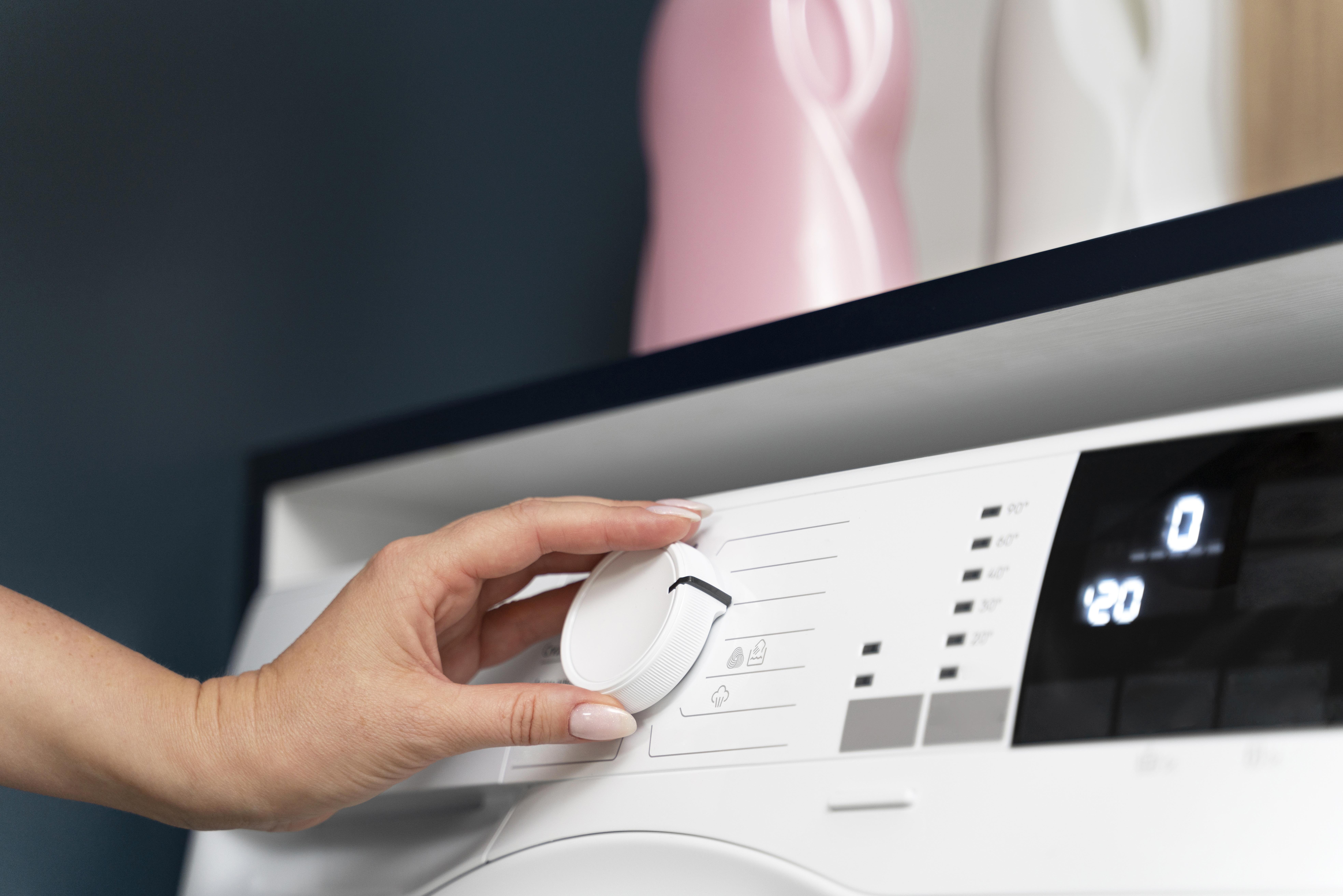
Choosing efficient technology today is an investment in both the future and everyday savings.
Design that outlasts trends
While trends change quickly, good design lasts. Future-proof products avoid overly trendy aesthetics in favour of clean, timeless design that fits different spaces and lifestyles.
This is especially relevant for appliances, TVs and audio equipment that remain visible in the home for many years. A product that still looks good after five or six years feels far less outdated, even as technology progresses.
Future-proof means thoughtful, not perfect
No product is truly future-proof forever. But the right combination of software support, compatibility, performance, durability and efficiency can significantly extend a device’s relevance.
In consumer electronics, future-proofing isn’t about chasing the next innovation it’s about making thoughtful decisions that stand the test of time.
Text author: Ana Markunović



Recent Comments