

Time has become one of the most valuable resources in modern life. We constantly look for ways to do more in less time, yet the true value of technology isn’t about speed alone. It’s about giving time back. The best smart devices don’t just make tasks faster; they remove friction, reduce mental load and quietly support daily routines in the background.
In many homes, technology has shifted from being a distraction to becoming a time-saving partner.
Automation replaces repetition
One of the most powerful ways smart devices save time is through automation. Smart thermostats learn routines and adjust temperatures automatically. Robot vacuums clean while you work or sleep. Lighting systems turn on and off based on presence or time of day.
These aren’t dramatic innovations but they eliminate dozens of small, repetitive tasks. When routines run automatically, time is freed for more meaningful activities, without constant decision-making.
Less thinking, fewer interruptions
Smart technology reduces the mental effort behind everyday life. Voice assistants set reminders, manage calendars and answer simple questions without breaking focus. Smart kitchen appliances adjust cooking times and temperatures automatically, reducing the need for constant supervision.
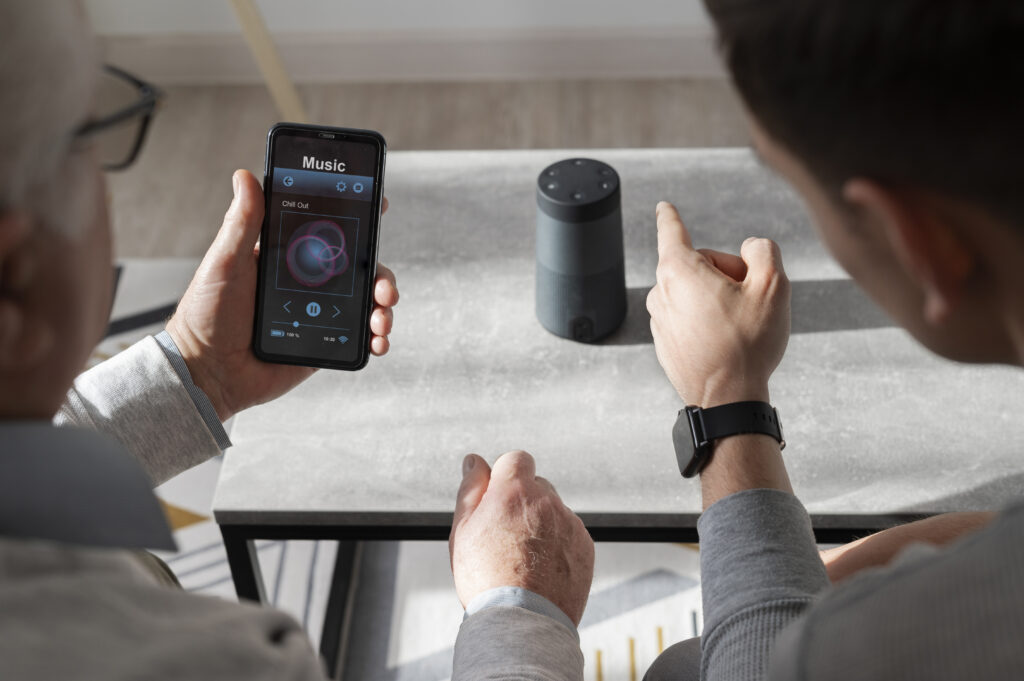
This reduction in micro-decisions has a real impact. Fewer interruptions mean deeper focus, smoother transitions between tasks and less cognitive fatigue throughout the day.
Faster tasks, better results
Efficiency isn’t just about speed it’s about outcomes. Smart washing machines select optimal programs based on load size. Dishwashers optimise water and energy use. Coffee machines remember preferences and deliver consistent results every morning.
The result is less trial and error, fewer corrections and less wasted time fixing mistakes. Technology handles the details so users don’t have to.
Time saved through better planning
Connected devices also help structure time more effectively. Smart calendars sync across devices. Fitness trackers schedule workouts and recovery. Meal planning apps connect with smart fridges and ovens.
When technology supports planning, daily life becomes more predictable and predictability saves time. Knowing what comes next reduces stress and last-minute decisions.
Remote control means flexibility
The ability to manage devices remotely changes how time is used. Starting appliances, adjusting heating or checking security from a smartphone prevents unnecessary trips, waiting or delays.

This flexibility is especially valuable for busy households, remote workers and families, turning small time savings into significant gains over weeks and months.
Technology that works quietly in the background
The most time-saving technology often goes unnoticed. Devices that work seamlessly, without constant updates, notifications or manual input, create space rather than demand attention.
As technology matures, its role becomes less visible but more impactful. Smart devices increasingly focus on supporting life — not competing for attention.
More time, not more screen time
Importantly, time-saving technology isn’t about spending more time with screens. It’s about reducing screen dependency by automating tasks and simplifying decisions.
When technology fades into the background, users gain more freedom to focus on people, creativity and rest.

In today’s world, time is the ultimate luxury. Smart devices that simplify routines, reduce friction and create flow aren’t just convenient — they improve quality of life.
The true success of technology isn’t measured in features or processing power, but in how much time it gives back. And the best smart devices do exactly that – quietly, reliably and every single day.
Text author: Ana Markunović


Recent Comments